


Mini Piling Solutions UK: Understanding Mini Piling for UK Extensions
When you plan to extend your property, the foundation is the most important part. You want it to be strong, safe, and long-lasting. Mini piling is a popular choice for many homeowners and commercial clients in Plymouth and the surrounding areas. It offers a reliable way to support new extensions, especially when the ground conditions are tricky. This guide will help you understand what mini piling is, why it matters, and how it can benefit your project.
What Are Mini Piling Solutions UK?
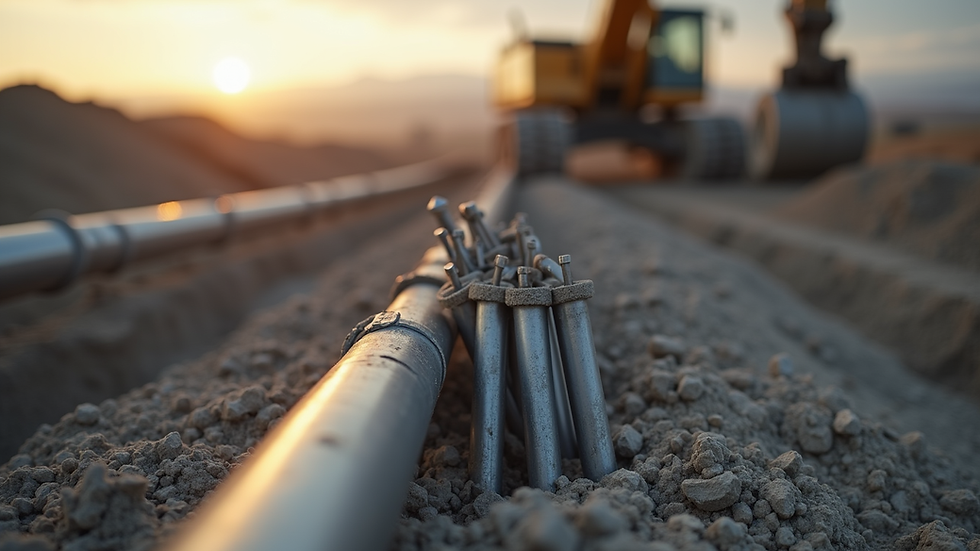
Mini piling solutions UK are a type of foundation work that uses small-diameter piles to support structures. These piles are usually made of steel and are driven deep into the ground. They reach strong soil or rock layers that can carry the weight of your extension. This method is ideal when the surface soil is weak or unstable.
Mini piling is less disruptive than traditional piling methods. It uses smaller equipment, which means less noise and less mess. This makes it perfect for residential areas or sites with limited access. You can expect a quicker installation with minimal disturbance to your property and neighbours.
Mini piling solutions UK are versatile. They work well for various types of extensions, including single-storey and multi-storey builds. Whether you want to add a new room, a garage, or a conservatory, mini piling can provide the solid base you need.
Why Choose Mini Piling for Your Extension?
Choosing the right foundation is crucial. Mini piling offers several benefits that make it a smart choice for many projects:
Strong Support: Mini piles transfer the load of your extension to deeper, more stable ground. This prevents settling or shifting that can cause cracks and damage.
Suitable for Difficult Ground: If your land has clay, sand, or loose soil, mini piling can handle it. It works well where traditional foundations might fail.
Less Disruption: The smaller equipment means less noise and vibration. This is important in built-up areas or where neighbours are close.
Faster Installation: Mini piling can be completed quickly, helping you keep your project on schedule.
Cost-Effective: While not always the cheapest option, mini piling can save money in the long run by avoiding foundation problems.
If you want to learn more about how mini piling can help your project, check out this mini piling for extensions link for detailed information.
How Much Does Mini Piling Cost?
Understanding the cost of mini piling helps you plan your budget. The price depends on several factors:
Size of the Extension: Larger extensions need more piles, which increases the cost.
Ground Conditions: Harder ground or deeper piles can raise the price.
Access to Site: If the site is hard to reach, it may cost more to bring in equipment.
Depth of Piles: Deeper piles require more materials and time.
Additional Work: Sometimes, extra work like ground stabilisation or drainage is needed.
On average, mini piling costs in the UK range from £100 to £300 per pile. For a typical home extension, you might expect to pay between £3,000 and £8,000. This is a rough estimate and can vary widely.
To get an accurate quote, it’s best to contact a specialist who can assess your site and provide a detailed price. Remember, investing in a good foundation saves you money on repairs later.
How Mini Piling Works Step-by-Step
Knowing the process helps you feel confident about your project. Here’s how mini piling usually works:
Site Survey: A professional inspects your land to check soil type and conditions.
Design: Engineers design the piling layout based on the load and ground survey.
Preparation: The site is cleared, and access paths are made for equipment.
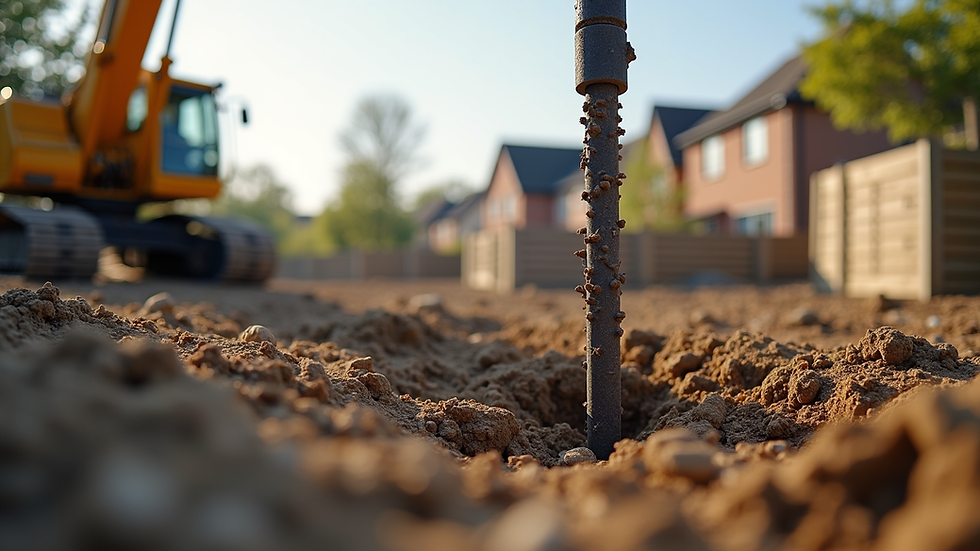
Installation: Mini piles are drilled or driven into the ground using specialised machinery.
Testing: Piles are tested to ensure they can carry the required load.
Foundation Work: Once piles are in place, the foundation is built on top.
Clean-Up: The site is tidied, and any waste is removed.
This process usually takes a few days to a couple of weeks, depending on the size of your extension. The team works efficiently to minimise disruption and keep your project moving.
Tips for Choosing a Mini Piling Contractor
Picking the right contractor is key to a successful extension. Here are some tips to help you choose:
Experience: Look for contractors with a strong track record in mini piling solutions UK.
Local Knowledge: A local company understands the ground conditions in Plymouth and nearby areas.
References: Ask for past client reviews or case studies.
Certifications: Ensure they have the right qualifications and insurance.
Clear Quotes: Get detailed quotes that explain what is included.
Communication: Choose a team that listens and answers your questions clearly.
A good contractor will guide you through the process and deliver quality work on time and within budget.
What to Expect After Mini Piling Installation
After the mini piling is done, your extension project can move forward smoothly. The piles provide a strong base that prevents future problems like cracks or subsidence. You can expect:
Stable Foundations: Your extension will stand firm for many years.
Peace of Mind: Knowing your home is safe and secure.
Faster Build Time: With a solid foundation, builders can work efficiently.
Increased Property Value: A well-built extension adds value to your home.
Regular inspections and maintenance will keep your extension in good shape. If you notice any issues, contact your contractor promptly.
Andrew James Mudge ltd offer a reliable and efficient way to support your extension. With the right knowledge and a trusted contractor, you can enjoy a strong foundation and a successful build. Whether you are adding space for your family or expanding your business, mini piling is a smart choice for lasting results.


Comments