


Subsidence Solutions: How to Restore Stability to Your Property
Subsidence can cause serious damage to your property. It happens when the ground beneath your building sinks or shifts. This can lead to cracks in walls, uneven floors, and even structural failure. You want to fix these problems quickly and effectively. Luckily, there are many ways to tackle subsidence and bring stability back to your home or commercial building.
In this post, you will learn about the most common subsidence solutions. You will discover how each method works and when it is best to use it. You will also find practical advice to help you decide the right approach for your property. Let’s explore the options and get your building safe and sound again.
Understanding Subsidence Solutions: What Works Best?
Subsidence solutions vary depending on the cause and severity of the problem. The first step is to identify why the ground is moving. Common causes include:
Clay soil shrinking due to drought
Leaking drains or water pipes washing away soil
Tree roots absorbing moisture and shrinking soil
Poorly compacted fill under foundations
Once you know the cause, you can choose the right fix. Some solutions focus on stabilising the soil. Others strengthen or underpin the building’s foundations. Here are some popular subsidence solutions you might consider:
Underpinning Foundations
Underpinning is a common and effective way to stabilise a building affected by subsidence. It involves extending the foundation to reach stronger soil or bedrock below. This can be done by:
Digging beneath the existing foundation in sections
Pouring concrete or installing piles to support the structure
Using specialists piles to reach good strata.
Underpinning provides a solid base and stops further sinking. It is suitable for most types of buildings and soil conditions.
Drainage Repairs
If leaking drains or water pipes cause subsidence, fixing these is crucial. Repairing or replacing damaged pipes stops water from washing away soil. Improving drainage around the property also helps keep the ground stable. This is a simple but essential part of many subsidence solutions.

Can subsidence be fixed permanently?
You might wonder if subsidence can be fixed permanently. The answer is yes, but it depends on the cause and the repair quality. Properly done repairs can stop subsidence and restore your building’s stability for many years.
Permanent fixes require:
Accurate diagnosis of the subsidence cause
Choosing the right repair method for your property
Using quality materials and skilled contractors
Regular maintenance and monitoring after repair
For example, underpinning done by experienced professionals can last a lifetime. Resin injection also offers a long-term solution if the soil conditions are suitable. Fixing drainage issues prevents future soil erosion and subsidence.
Keep in mind that some causes, like tree roots or clay soil, may need ongoing management. You might need to prune trees or improve soil moisture control to avoid new problems.
How to Choose the Right Subsidence Repair Method
Choosing the right repair method can feel overwhelming. Here are some tips to help you make the best decision:
Get a professional survey - A structural engineer or specialist contractor can assess your property and identify the cause of subsidence.
Understand your options - Ask about the pros and cons of each repair method for your situation.
Consider your budget - Some methods like resin injection are quicker and cheaper, while underpinning is more costly but very durable.
Think about disruption - Underpinning can be disruptive and take longer, while resin injection is less invasive.
Check contractor experience - Choose a contractor with a strong local reputation and proven expertise in subsidence repair.
Plan for future prevention - Ask about maintenance and monitoring to keep your property stable after repair.
By following these steps, you can find a solution that fits your needs and gives you peace of mind.
What to Expect During Subsidence Repair Work
Knowing what happens during repair work helps you prepare and stay informed. Here is a general overview of the process:
Initial inspection and survey - Experts examine your property and take measurements.
Planning and design - A repair plan is created based on the survey results.
Site preparation - The area around your building is cleared and made safe.
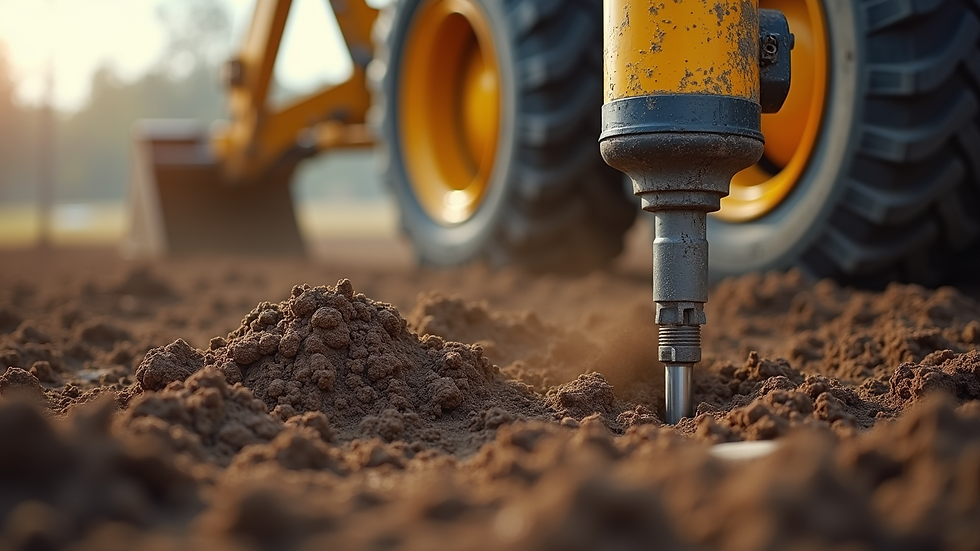
Repair work - Depending on the method, this could involve excavation, resin injection, or soil treatment.
Monitoring and finishing - After repairs, the site is cleaned and monitored for any movement.
The duration of the work depends on the method and property size. You can expect some noise and disruption, but a good contractor will minimise this and keep you updated.
Keeping Your Property Stable After Repairs
After subsidence repair, it is important to maintain your property to avoid future issues. Here are some simple steps you can take:
Check for new cracks or signs of movement regularly.
Maintain good drainage around your building.
Fix leaks promptly to prevent soil erosion.
Manage vegetation and tree roots near foundations.
Schedule periodic inspections with a professional.
Taking these actions helps protect your investment and keeps your building safe and stable.
Subsidence can be a worrying problem, but with the right knowledge and support, you can restore your property’s stability. Using proven subsidence repair methods ensures your building stands strong for years to come. Remember to act early, choose experienced professionals, and maintain your property well. Your home or commercial building deserves the best care and protection.
If you want reliable, high-quality ground and structural solutions in Plymouth and the surrounding areas, look for specialists who understand your needs and deliver fair prices. Stability is within reach - take the first step today.


Comments